
For NDIS participants across Australia, Assistive Technology (AT) is often the key to unlocking greater freedom, independence, and participation in everyday life. From simple aids that make showering easier to sophisticated communication devices, AT bridges the gap between a person’s abilities and their environment. At Capability Support Services (CSS), we know that understanding how to access this equipment through your NDIS plan can feel complex. This comprehensive guide, written by our allied health team, simplifies the process and highlights how we partner with you to get the technology that truly supports your goals.
What Is Assistive Technology and Why Does It Matter?
Put simply, Assistive Technology refers to any item or system that helps people with disability maintain or improve their functioning and independence. It’s technology designed to help you do things and go places. For NDIS participants, AT is about getting the right tools to achieve the things outlined in your plan goals, such as cooking a meal independently, communicating with family, or safely navigating your home.
The range of NDIS-funded AT is broad and constantly evolving, covering items like:
- Mobility & Transfer: Custom-made wheelchairs, walking aids, scooters, hoists, and slide boards.
- Daily Living: Adapted cutlery, shower chairs, special pressure-care mattresses, and height-adjustable beds.
- Communication: Speech-generating devices, tablets with specialised software, and adapted keyboards.
- Home Accessibility: Grab rails, access ramps, and minor home modifications.
Crucially, the NDIS will only fund AT that is deemed “reasonable and necessary” in relation to your disability, is proven to be effective, and is not an item the general community is expected to purchase (like a standard TV or laptop).
Navigating the NDIS Funding Tiers
The NDIS streamlines the AT application process by categorising items into three distinct funding levels based on complexity and cost. Understanding these tiers is vital to a smooth approval process:
-
Low-Cost AT (Under $1,500)
These are simple items that are easy to select and generally don’t require professional advice for setup, such as basic shower chairs or walking sticks. If you have funding in your Consumables or Core budget, you can generally purchase these items directly.
-
Mid-Cost AT ($1,500 to $15,000)
These items are more complex and require a qualified professional to assess your needs, trial the equipment, and ensure it is set up correctly. Examples include complex manual wheelchairs, pressure-care cushions, or advanced communication aids.
The CSS Advantage: Our Occupational Therapists (OTs), Speech Pathologists, and Physiotherapists act as your qualified AT Advisors. They conduct the required assessment and provide the necessary written report to justify the expense in your plan.
-
High-Cost AT (Over $15,000)
This includes customised, complex, or high-risk items like custom-fabricated power wheelchairs, specialised home modifications, or complex prosthetics. These items require a written assessment from a highly qualified AT Assessor (one of our specialist clinicians) and often necessitate formal NDIS plan approval before purchasing.
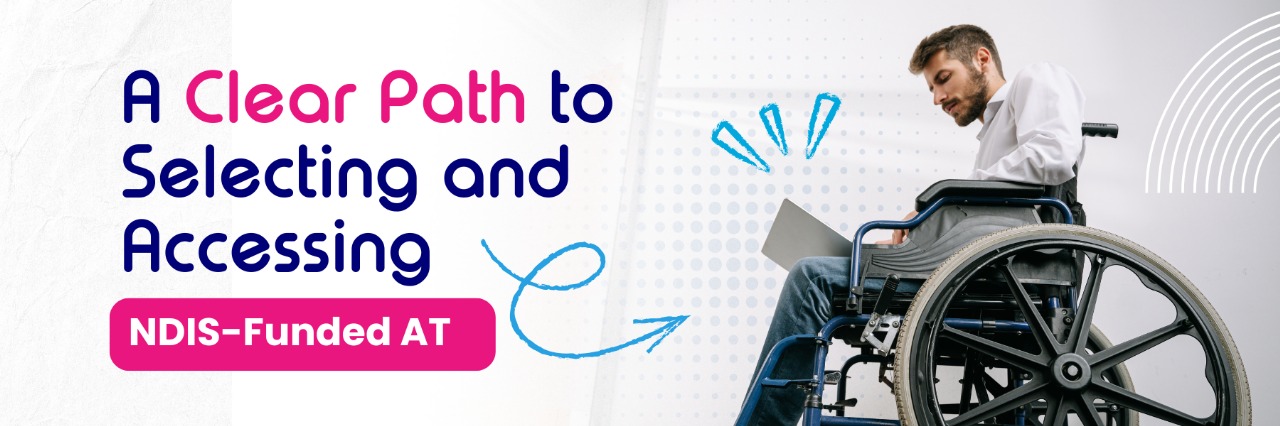
Your Step-by-Step AT Journey with CapabilitySS
Our team simplifies the process, ensuring you receive the maximum benefit with minimum stress:
Step 1: Needs Identification and Assessment
The journey begins with a conversation. You meet with one of our allied health clinicians to discuss the daily tasks you find challenging and what you hope to achieve. The clinician then conducts a functional assessment to determine which specific AT options would best meet your individual needs and goals.
Step 2: Trial and Report Generation
For Mid and High-Cost items, the clinician will arrange a trial of the recommended equipment. This ensures the technology fits your body, environment, and lifestyle perfectly before a commitment is made. Following a successful trial, your CSS therapist drafts a detailed report and gathers quotes from reputable suppliers.
Step 3: Funding Submission and Purchase
The report and quotes are submitted to the NDIS (or your Plan Manager). Once funding is approved and allocated to your Capital Support budget, you are ready to purchase or rent the equipment.
Step 4: Delivery, Setup, and Training
This is where our comprehensive support shines. Your CSS clinician attends the delivery and fitting of the AT to ensure it is correctly installed and adjusted for your maximum safety and comfort. Crucially, they provide the necessary training to you and your support network, ensuring you can use the new equipment effectively and confidently every day.
By partnering with Capability Support Services, you gain a team of experts dedicated to making your access to NDIS Assistive Technology smooth, successful, and perfectly tailored to your path towards greater independence.
Ready to explore the right technology for you? Contact our Gold Coast or Brisbane offices today, or submit a referral online to connect with our expert Occupational Therapy, Speech Pathology, or Physiotherapy teams.