

When you think of Occupational Therapy, you can see adults getting over accidents or learning to fit physical constraints. For children, though, occupational therapy is something quite different and quite helpful.
Many more Australian parents are learning how occupational therapy supports their children to grow essential life skills, boost self-confidence, and flourish both at home and at school. There can be more underlying problems if you have seen your kid battling with regular activities, coordination, attention, or emotional control. Occupational therapy for children creates the ground for self-esteem, independence, and knowledge acquisition.
Let’s look at eight major ways your child could benefit from it.
1. Problems with Fine Motor Skills
Fine motor abilities, which involve the little muscles in your child’s hands and fingers, are needed for chores like writing, buttoning clothes, or handling silverware. Should your child become furious with or resist these activities, occupational therapy could be beneficial.
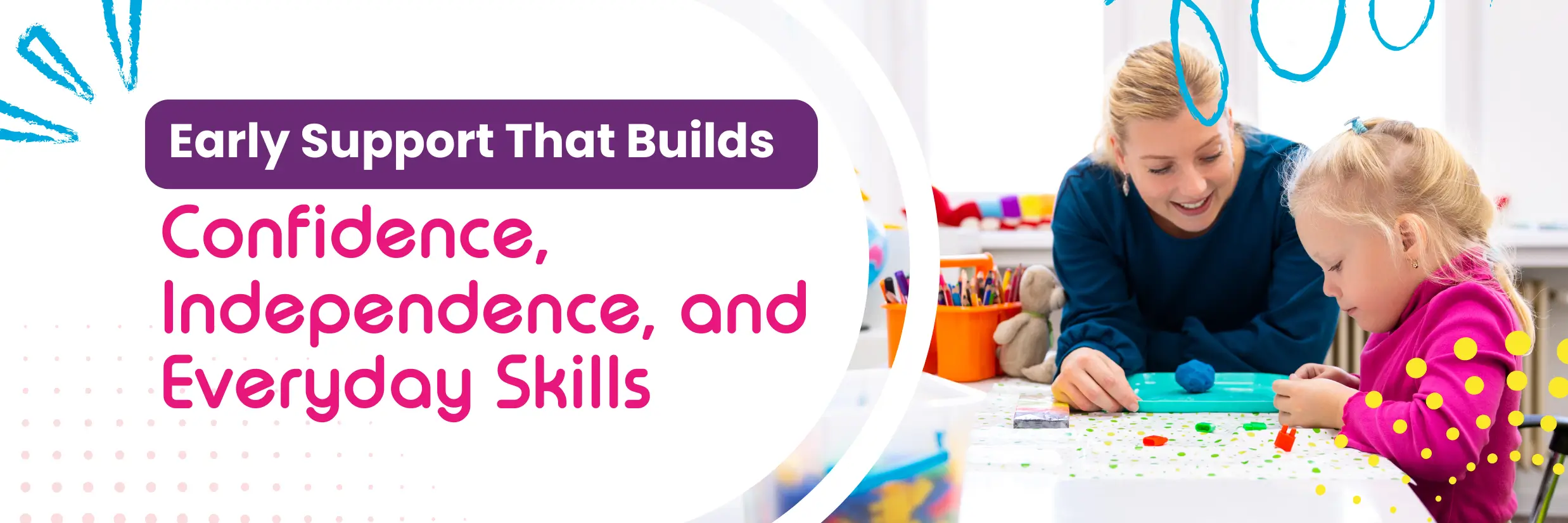
Creative activities, including bead threading, drawing, or clay handling, help therapists to build hand muscles and coordination. Over time, these fun but regulated activities could make dressing easier, assist handwriting grow cleaner, and lower daily activity stress.
2. Gross Motor Abilities and Balance Problems
It’s possible that your child frequently trips, has poor posture, or struggles to catch or throw a ball; hence, it is not simple clumsiness. These could point to gross motor development challenges, the larger movements requiring arms, legs, and total body use.
Occupational therapy evaluates these areas and provides exercises designed to improve balance, coordination, and strength. Games and sports are supported, hence fostering your child’s self-assurance in physical activities as well as social growth, very important.
3. Deficiencies in Sensory Processes
Though every kid processes sensory information differently, it can impact their involvement in everyday life if your child is extremely sensitive (or under-responsive) to sounds, textures, light, or movement.
Some children may cover their ears at loud sounds, avoid certain clothing, or become overloaded in hectic environments. Others could have what look to be strange cravings for touch or motion.
Occupational therapy can help your child to learn how to better regulate sensory input by means of organised sensory activities meant to control their responses and induce calm, focused behaviour.
4. Independent Daily Routine Challenges
Should getting ready for school feel like an endless battle with conflicts over tooth brushing, tying shoelaces, or clothes, it could not be rebelliousness. Some children find these self-care practices either cognitively or physically difficult.
Occupational therapy helps to break down difficult tasks into workable phases by using repetition and positive reinforcement to teach practical skills. Your goal is to foster your child’s growing independence in their everyday activities, hence boosting confidence and lowering family conflict.
5. Concentration and Focus Difficulties
Is your child challenged to sit still or finish assignments? Do teachers mention fidgeting or distractibility in class? These might point to a necessity for self-control and focus on developing tactics for your child.
Occupational therapy helps children to create impulse control and sustained attention in controlled surroundings. Using techniques like sensory breaks, movement-based teaching, and mindfulness, your child will learn to focus and intentionally participate in social activities and in school.
6. Management of Behavioural and Emotional Issues
If your kid regularly has meltdowns, is easily annoyed, or has trouble appropriately conveying emotions, occupational therapy can help to detect any underlying causes.
Emotional control is strongly related to sensory processing, motor control, and communication, that is, areas therapists concentrate on utilising active, play-based strategies.
Children’s capacity to manage stress and become resilient may be enhanced by learning relaxation methods and cultivating emotional intelligence. They tighten links at home and at school as they carefully refine their more versatile modes of expression.
7. Educational and Classroom Difficulties
Sometimes, rather than intelligence, fundamental issues with vision perception, fine motor abilities, or organisation account for a child’s learning challenges.
Occupational therapy can assist you in finding the cause of your child’s problems with reading, writing, copying from the board, or with their continual loss of materials. Targeted exercises improve hand-eye coordination, spatial awareness, and job order, hence enhancing more fluid classroom performance and boosting learning confidence.
8. Milestones in Stunted Development
Early intervention is essential if your child is not fulfilling developmental milestones at the proper times, including walking, self-feeding, or speech, through occupational therapy.
Therapists develop techniques based on your child’s capacity in contrast to age-based standards, to motivate growth. Early assistance enables your child to grow physically, emotionally, and socially, hence preparing them for success later in life.
How Occupational Therapy Transforms Life
Although it attempts to address problems, occupational therapy mostly tries to enable child to realise their maximum potential. Using play-based learning to make therapy enjoyable and meaningful, every session is customised to match your child’s particular gifts and needs.
Changes parents see usually extend beyond the specific objectives specified during therapy. Kids become more confident, socially involved, and eager to explore new experiences. One of the most powerful results of anything is their growing self-assurance.
Don’t put off deciding whether your child needs additional help until the difficulties worsen. Earlier occupational therapy starts, the more influence it has on your child’s long-term growth and quality of life.
Conclusion
At Capability Support Services, we understand how important it is to give every kid the opportunity to succeed. From fine motor control and sensory processing to social interaction and emotional regulation, our occupational therapy treatments help your child to get the abilities they need to proudly overcome daily difficulties.
Working with families, we develop individualised, supportive therapy plans suited to every child’s individual path. Together, we assist your kid in reaching their full capacity, developing maturity on their own, and boosting their well-being. When your child feels able, the possibilities are limitless.