
Supporting people with disability means creating an environment where safety, dignity and choice are respected. One important area of discussion is restrictive practices. These are methods that limit someone’s rights or freedom, and they are only permitted under strict circumstances. At the same time, Positive Behaviour Support (PBS) provides a respectful and person-centred way to reduce and eventually remove the need for such practices. This blog explores what restrictive practices are, why behaviours of concern happen, and how PBS works to create safer and more empowering support plans.
What are Restrictive Practices?
A restrictive practice is any action that limits the rights or movement of a person with disability. Because these interventions can have serious ethical and emotional impacts, they are tightly regulated under the NDIS Quality and Safeguards Commission in Australia. Restrictive practices may only be used when all other options have been tried, and they must be the least restrictive option possible. They must also be documented in a behaviour support plan and regularly reviewed to ensure they are used safely and for the shortest time necessary.
Why Do Behaviours of Concern Happen?
Behaviours of concern are actions that put the person or others at risk, or that affect a person’s quality of life. Examples include aggression, self-harm, property damage or withdrawal. These behaviours usually happen for a reason. They may be a way of expressing needs, coping with stress, seeking attention, or avoiding uncomfortable situations. By understanding what triggers the behaviour and what outcomes follow, support teams can begin to address the underlying cause instead of relying on restrictive methods.
The Role of Positive Behaviour Support
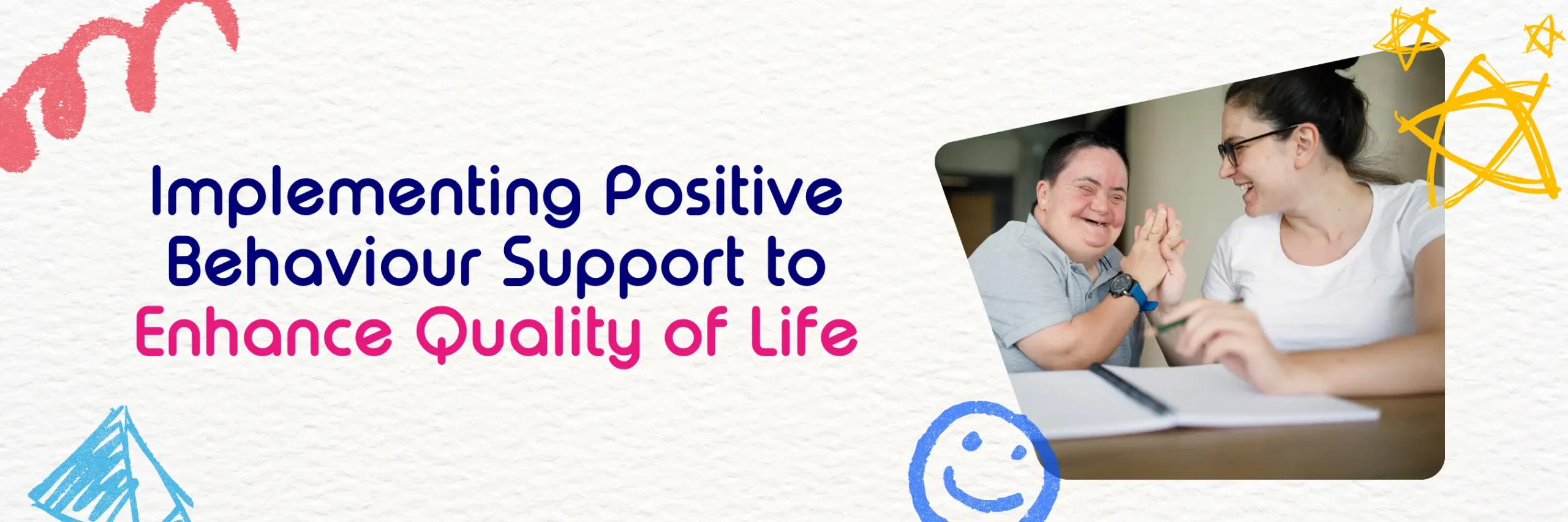
Positive Behaviour Support (PBS) is an evidence-based approach that focuses on respect, inclusion and long-term solutions. Rather than punishing or restricting, PBS works to understand why a behaviour occurs and teaches safer, more effective ways for the person to meet their needs.
A PBS plan usually involves:
- A detailed assessment to understand behaviour patterns and triggers
- Person-centred planning that reflects the individual’s strengths, values and goals
- Strategies to reduce triggers in the environment or daily routine
- Teaching new skills such as communication, self-regulation and coping tools
- Ongoing training and support for carers and staff to make sure the plan is followed
- Continuous monitoring and review to adjust strategies as needed
How PBS Helps Reduce Restrictive Practices
PBS is one of the most effective ways to reduce and eventually eliminate restrictive practices. It does this by:
- Identifying why the behaviour happens in the first place
- Supporting the individual with new skills and strategies
- Making changes to the environment to reduce stress or triggers
- Ensuring that any restrictive method is only used as a temporary safety measure
- Providing clear plans to phase out restrictive practices over time
The focus is always on dignity, choice and long-term positive change.
Types of Restrictive Practices
There are five main types of restrictive practices regulated under the NDIS:
- Seclusion, where a person is placed in a room or space they cannot freely leave
- Physical restraint, where force is used to control movement
- Mechanical restraint, using devices or equipment to restrict movement
- Environmental restraint, such as locking doors or restricting access to certain areas or items
- Chemical restraint, where medication is used primarily to control behaviour rather than for a diagnosed condition
Each of these carries risks, and their use must always be closely monitored and reported.
Best Practice for Providers and Support Networks
For restrictive practices to be managed responsibly, providers and carers should follow best practice principles. These include:
- Involving the person with disability in all decisions that affect them
- Being open and transparent with families and support networks
- Using a multidisciplinary approach with allied health and medical professionals
- Providing trauma-informed and culturally sensitive care
- Monitoring, reviewing and adjusting behaviour support plans regularly
- Training carers and staff to use PBS strategies effectively
- Always working toward the complete removal of restrictive practices
CapabilitySS Commitment
At CapabilitySS, we believe in person-centred support that values safety, dignity and independence. Our behaviour support specialists create practical, strengths-based plans grounded in PBS. We work closely with participants, families and carers to ensure restrictive practices are minimised and replaced with positive, empowering alternatives. If you would like to learn more about our behaviour support services, contact us today to discuss how we can support you or your loved one.