NDIS Positive Behaviour Support in Tweed Heads and Northern NSW
NDIS-Approved Behaviour Support with No Wait Times
Capability Support Services delivers Positive Behaviour Support to NDIS participants across Tweed Heads, Tweed Heads South, Banora Point and the wider Northern NSW region. Our behaviour support practitioners come to you, whether that is your home in Terranora, a school in Kingscliff or a supported accommodation house in Tweed Heads West. We focus on understanding why a behaviour is happening, then building practical strategies that make daily life calmer and safer for everyone involved.




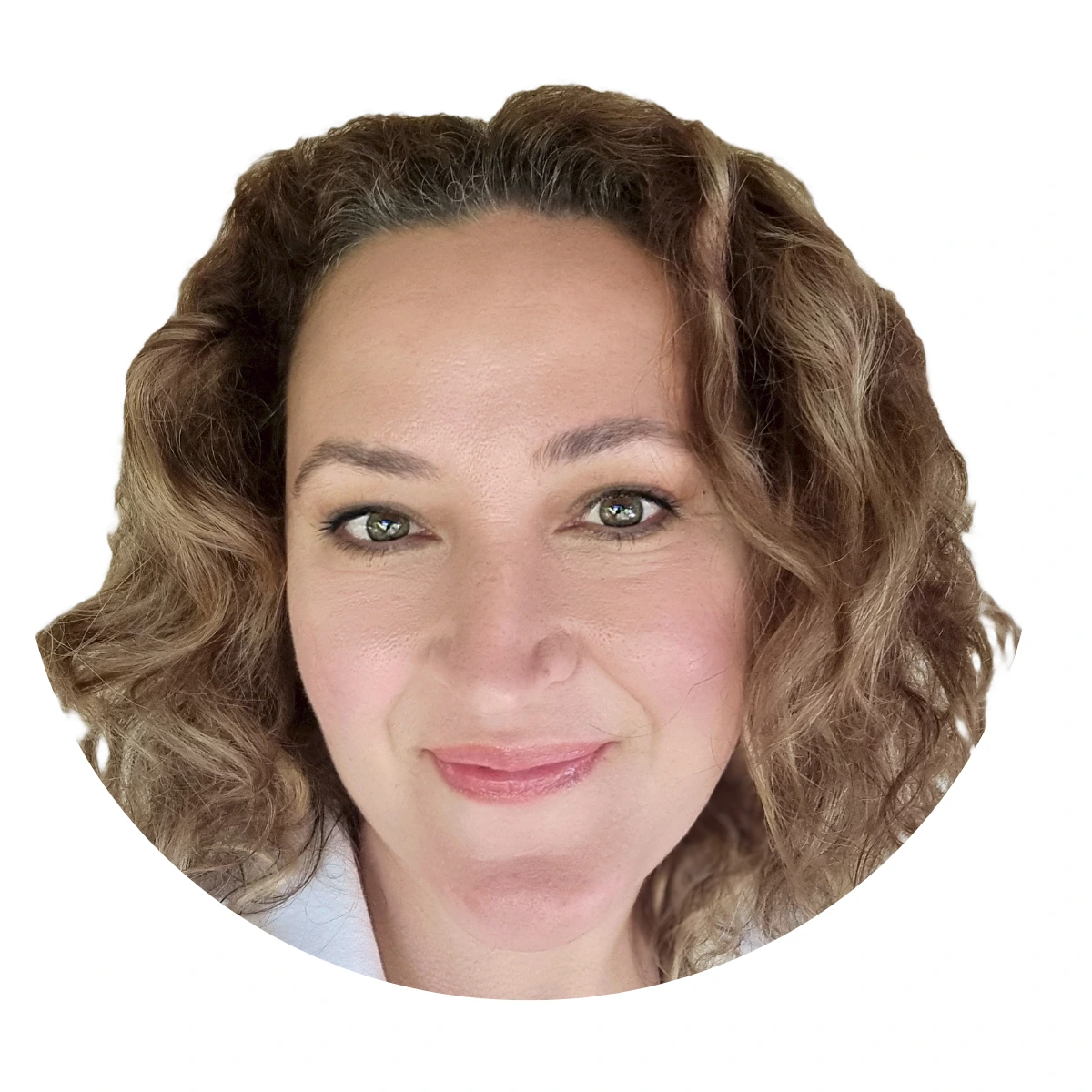
Meet Zehra, your Northern NSW behaviour support practitioner
Capability Support Services provides Positive Behaviour Support to NDIS participants across Tweed Heads, the Tweed Coast, the Northern Rivers and inland Northern New South Wales. Our practitioner Zehra covers the region from Evans Head north to Tweed Heads, west through Lismore, Nimbin and Casino, and across the border into Currumbin and the southern Gold Coast.
Zehra is the Behaviour Support Practitioner leading our work across Tweed Heads and Northern New South Wales. She holds a Bachelor of Psychological Science and works with both children and adults living with a diverse range of disability, mental health and psychosocial support needs.
Her day to day work covers the full scope of behaviour support, from intake and assessment through to developing Behaviour Support Plans and supporting the people who put those plans into practice. A large part of that is stakeholder communication, which in this region often means holding together a family, a school, a support coordinator and a rostered team of workers so that everybody is responding the same way rather than each doing their own version.
Zehra has experience supporting participants living with autism, psychosocial disability, complex trauma, and intellectual and physical disabilities. She builds relationships based on trust, empathy and collaboration, working alongside participants, families, support workers and other stakeholders to develop strategies that are consistent, practical and actually meaningful in someone’s real week.
She has a particular interest in trauma informed practice and culturally responsive behaviour support, including developing strategies that are appropriate and meaningful for Aboriginal and Torres Strait Islander participants and for participants from culturally and linguistically diverse backgrounds. That focus matters a great deal in the Northern Rivers, where a strong Aboriginal community, a highly diverse regional population and the lasting effects of the 2022 floods all sit underneath the behaviours we are often asked to address.
Above all, Zehra is focused on empowering the person and the people around them, building capacity so that progress continues between visits rather than depending on the practitioner being in the room.
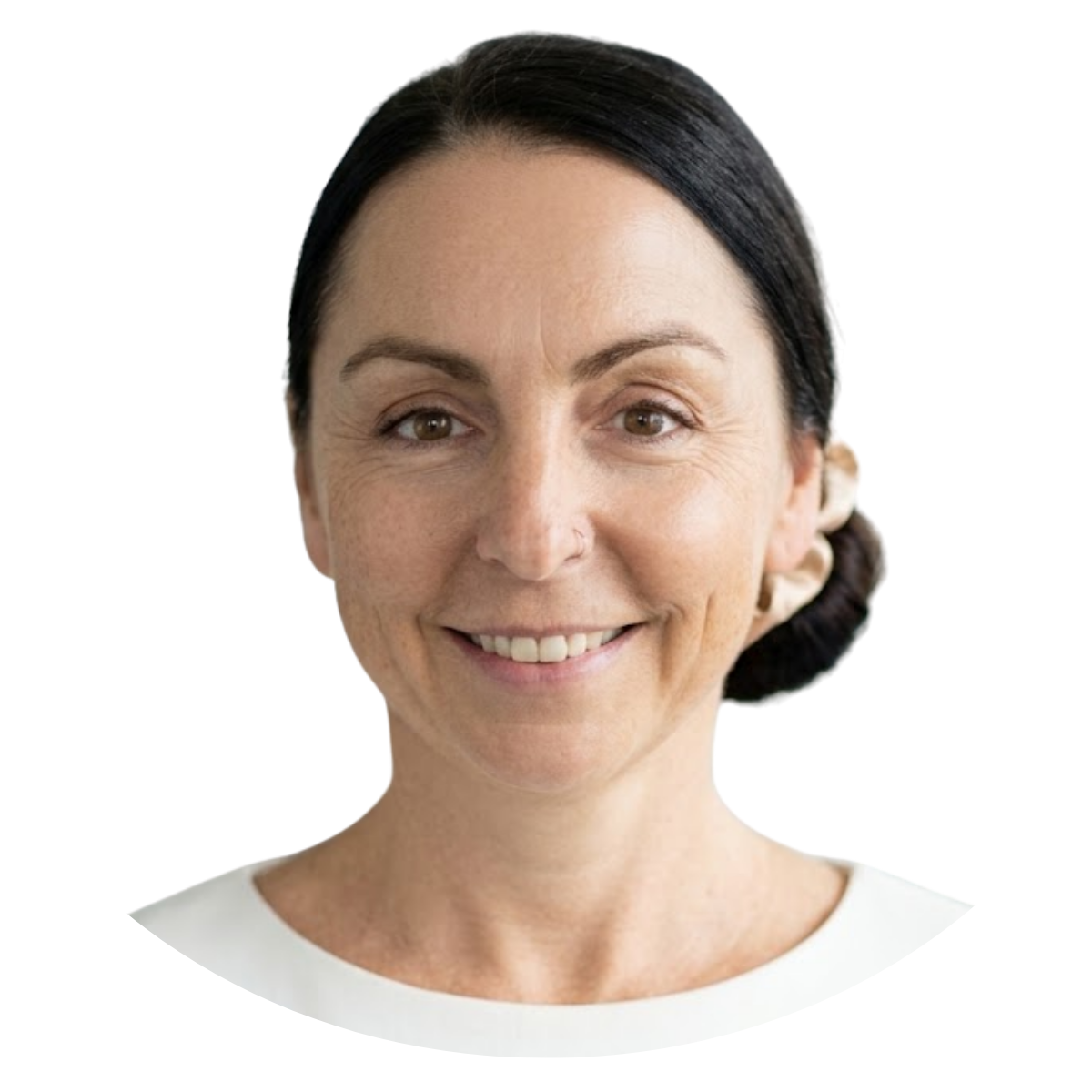
Meet Linda
Linda is an Advanced Behaviour Support Practitioner covering the Sunshine Coast for Capability Support Services. The NDIS Quality and Safeguards Commission recognises four practitioner levels, and Advanced is the third of those. In practical terms it means she can take on the complex referrals that other providers in the region routinely decline or refer on, including participants with multiple restrictive practices in place.
She holds a Master of Social Work and a Bachelor of Arts majoring in Psychology, with a career spanning therapeutic practice, social work, disability, mental health and child and family services.
Linda supports children, young people and adults with complex behavioural, psychosocial, mental health and disability support needs, and has significant experience in trauma informed care and in working with children and young people facing complex social, emotional and behavioural challenges. If you have been told your family member’s situation is too complicated for the services available locally, this is the practitioner to talk to.
Her focus is on understanding the individual behind the behaviour and building capacity in the people around them, so that progress holds between visits rather than depending on her being in the room. That is particularly important across a region as spread out as this one.
Our Services
Improved Relationships:
Strategies and interventions designed to foster positive interactions and strengthen relationships
Functional Behaviour Assessments:
Detailed assessments to understand the underlying causes and functions of challenging behaviours
Behaviour Support Intervention and Management Plans:
Tailored plans to address and manage specific behavioural issues effectively
Interim and Comprehensive Behaviour Support Plans (PBSP):
Development of PBSP's that may include restrictive practices, when necessary, to support behavioural improvements
Ongoing Data Collection and PBSP Reviews:
Continuous monitoring and evaluation of behaviour support plans and restrictive practices to ensure effectiveness and make necessary adjustments
Training for PBSP Implementation:
Educating providers, stakeholders, and support workers on implementing PBSP's effectively to ensure consistent and appropriate application
Behaviour Assessments:
For those who are needing behaviour support in their plans, we provide assessments to help with the process
Reach out to our support team
Have questions or need assistance? Reach out to us directly. Our team is here to help.  Quickest Response in the Sector: Submit your enquiry below and we’ll get back to you within 30 minutes (or even sooner!)

Enquiry Form
Frequently Asked Questions
We currently have capacity across Tweed Heads and Northern NSW and can usually complete intake within a few business days of receiving a referral. Where there is immediate risk or a restrictive practice already in use, an interim behaviour support plan can be developed and lodged ahead of the full assessment.
Yes. Our coverage runs from Evans Head north along the coast through Ballina, Byron Bay, Brunswick Heads and Mullumbimby to Tweed Heads, and inland to Bangalow, Lismore, Nimbin and Casino. We also work across the border in Currumbin and the southern Gold Coast.
Visit frequency is set at intake based on your location and the level of risk. Regional participants typically receive scheduled face to face visits combined with telehealth reviews and coaching between trips, which keeps progress moving rather than stalling between visits.
Anyone involved in the participant's support can refer, including the participant themselves, a family member, a support coordinator, a plan manager, a GP, a school, a SIL provider or another therapist. No doctor's referral is required for NDIS behaviour support.
An interim plan is a short document produced quickly where there is immediate risk or a regulated restrictive practice in use, and it must be lodged with the NDIS Commission within one month. A comprehensive plan follows the full functional behaviour assessment and must be lodged within six months of the practitioner commencing.
Common reasons for referral include physical aggression, self injury, property damage, absconding, refusal to engage with daily routines, verbal aggression, and behaviours that create risk in the community. The approach works by teaching a safer and easier way to meet the same underlying need.
No. We work on both sides of the border regularly and are familiar with the different restrictive practice authorisation requirements in New South Wales and Queensland. We manage that, and we coordinate with your Queensland based providers where relevant.
Yes. Our Northern NSW practitioner Zehra has a particular focus on culturally responsive behaviour support, including developing strategies that are appropriate and meaningful for Aboriginal and Torres Strait Islander participants and for participants from culturally and linguistically diverse backgrounds. Cultural context is built into the plan rather than worked around.
Absolutely. PBS often benefits from multidisciplinary collaboration. Where appropriate, our Behaviour Support Practitioners can work alongside psychologists, occupational therapists, speech pathologists, physiotherapists and other professionals to better understand the participant's needs and create a coordinated approach to support.
Support can be provided in the environment that best meets the participant's needs. This may include the participant's home, school, supported accommodation, community settings or via telehealth.
Seeing the participant in their everyday environments can also help us understand what is happening in real life and develop strategies that are practical for the people supporting them.
No. Reducing behaviours of concern may be one part of PBS, but it is not the whole picture. Good PBS should also focus on building communication, independence, choice, relationships, participation, emotional regulation and opportunities to live a meaningful life.
There is no one-size-fits-all timeframe. The length and intensity of support depends on
the participant's needs, goals, complexity and circumstances. PBS is an ongoing
process of assessment, implementation, monitoring and review rather than simply
producing a Behaviour Support Plan.
Getting started is simple. Submit a referral to Capability Support Services and our team
will contact you to discuss your needs, funding and preferred supports. We welcome
referrals from participants, families, nominees, Support Coordinators and other
professionals.
LOCATION
Servicing All Areas of Tweed
At Capability Support Services, together, we can create a brighter future for individuals with disabilities and their families.